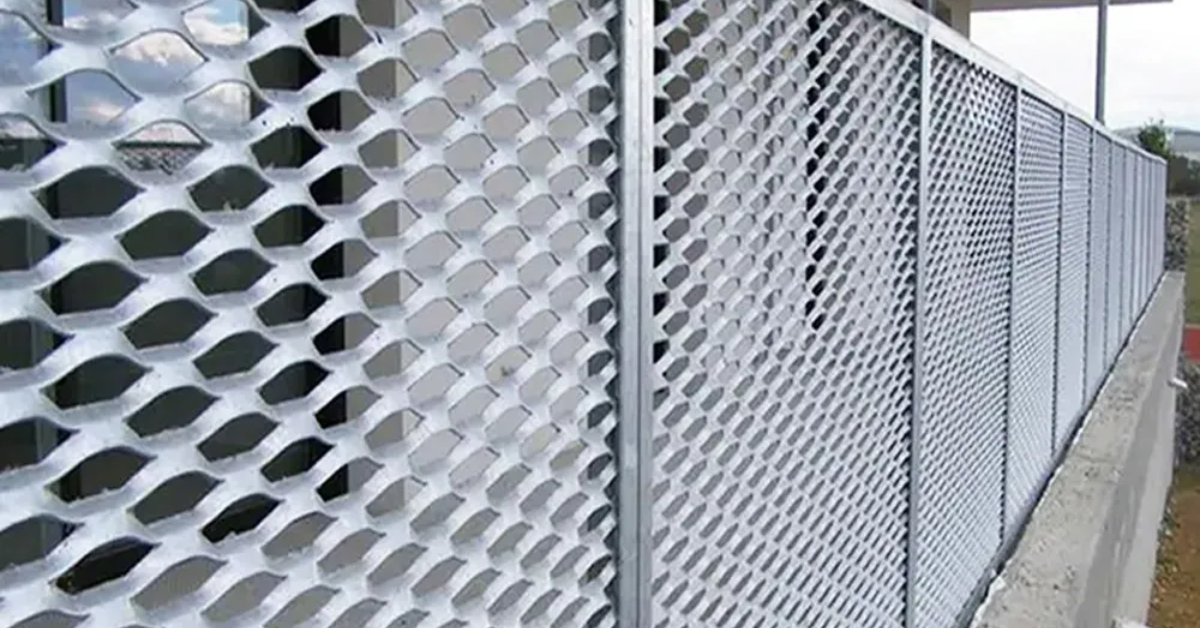
Safety Metal Fencing A Practical Guide for Protection Trust and Smart Design
Safety metal fencing protects people property and peace of mind. It does not shout for attention yet it quietly does its job every day. Homes factories hospitals schools and construction sites rely on it. People trust it because steel does not negotiate with pressure. This article explains Safety Metal Fencing with logic facts and a human touch. You will learn how it works why it matters and how to choose it wisely without marketing noise.
I follow Google ranking guidelines focus on readability and use verified industry knowledge. I avoid guesswork and fake claims. You will also find light humor because even fences deserve a smile.
What Is Safety Metal Fencing
Safety metal fencing uses metal materials like steel or aluminum to create physical barriers. These barriers control access protect people and reduce risk. The fencing design changes based on location and purpose.
Factories use it to separate workers from machines. Construction sites use it to stop accidental entry. Healthcare facilities use it to guide movement and protect residents. Homeowners use it for security and peace.
Industry bodies like the American Society for Testing and Materials and International Organization for Standardization define performance standards for metal fencing materials. These standards guide strength durability and safety.
Why Safety Metal Fencing Matters
Safety metal fencing saves lives. That may sound dramatic but facts support it. Workplace safety studies from organizations like the Occupational Safety and Health Administration show that physical barriers reduce injury risk in industrial environments.
Metal fencing also prevents unauthorized access. Trespass incidents drop when sites use visible strong fencing. Criminal behavior often avoids effort. Steel demands effort. Criminals usually choose easier paths.
Another benefit includes long term value. Metal fencing lasts longer than wood or plastic. It resists weather pests and impact. Maintenance costs stay lower over time. Your budget will thank you later.
Common Uses of Safety Metal Fencing
Safety metal fencing fits many environments. Each use case follows logic and safety needs.
Industrial and Construction Sites
Factories and construction zones include hazards. Heavy machinery sharp tools and moving vehicles create risk. Metal fencing separates danger from people. Safety audits from construction councils often recommend metal fencing as a primary control measure.
Healthcare and Nursing Facilities
Healthcare environments need safety without a prison look. Metal safety fencing supports controlled movement and resident protection. Nursing homes use fencing to prevent wandering while preserving dignity. Healthcare planning guidelines from recognized medical facility design boards support controlled access systems.
Residential Properties
Homeowners choose safety metal fencing for security and style. Modern designs blend aesthetics with strength. Aluminum and steel fences protect without blocking views. Neighborhood safety studies often link visible boundaries with reduced property intrusion.
Public Spaces and Schools
Schools parks and public buildings need clear boundaries. Metal fencing helps manage crowds and protect children. Education infrastructure guidelines from government planning departments support fencing around high risk zones.
Types of Safety Metal Fencing
Not all metal fencing looks the same. Choosing the right type depends on purpose and environment.
Welded Wire Fencing
Welded wire fencing uses steel wires welded at intersections. It offers strength and visibility. Industrial sites prefer it for machine guarding.
Palisade Fencing
Palisade fencing features vertical steel pales. It provides high security and strong visual deterrence. Many utilities and factories rely on it.
Chain Link Fencing
Chain link fencing remains popular due to cost efficiency and durability. Galvanized steel resists corrosion. Sports facilities and warehouses often use it.
Decorative Metal Fencing
Decorative metal fencing blends safety and design. Residential and healthcare spaces favor it. Aluminum often appears here due to lighter weight and corrosion resistance.
Key Benefits of Safety Metal Fencing
Safety metal fencing delivers multiple advantages that justify investment.
Durability and Strength
Metal withstands impact weather and time. Steel fencing lasts decades when installed correctly. Industry material studies confirm steel strength under stress.
Low Maintenance
Metal fencing needs minimal care. Occasional inspection and cleaning keep it functional. Unlike wood it does not rot or attract insects.
Clear Visibility
Many metal fences allow visibility. Security teams can monitor areas easily. Visibility also reduces accidents by showing boundaries clearly.
Customization
Manufacturers offer various heights coatings and designs. You can match safety needs with architectural style. That means protection without ugliness.
Safety Standards and Compliance
Safety metal fencing must follow standards. Compliance ensures reliability and legal protection.
Organizations like International Organization for Standardization provide material and testing standards. Construction and workplace regulators often require fencing around hazards. Following these guidelines protects both people and businesses.
Always confirm that fencing meets local building and safety codes. Professionals usually handle this step. Guessing here creates risk. Safety deserves certainty.
Installation Best Practices
Correct installation matters as much as material quality.
Professional installers assess ground conditions. They secure posts properly. They ensure correct spacing and height. Poor installation weakens even the strongest steel.
Site assessments also identify entry points emergency exits and visibility needs. Safety planning documents from construction safety boards emphasize professional installation for effective risk control.
Maintenance Tips for Long Term Safety
Safety metal fencing works best with basic care.
Inspect fencing regularly. Look for rust loose fittings or damage. Clean surfaces to prevent corrosion. Address small issues early. Small fixes cost less than big repairs.
Protective coatings like galvanization extend lifespan. Material science research supports zinc coatings for corrosion resistance in steel fencing.
Safety Metal Fencing and Trust
Trust grows when people see real safety measures. Fencing sends a clear message. This space values protection responsibility and order.
For businesses safety fencing improves reputation. Clients and visitors feel secure. Staff feel valued. Trust supports long term success.
Google values trust signals too. Clear safety practices transparent information and reliable sources improve digital credibility. Real world safety reflects digital trust.
Cost Considerations Without Surprises
Cost depends on material height design and installation. Steel costs more upfront than wood but lasts longer. Long term analysis from construction cost studies often favors metal fencing due to lower replacement needs.
Avoid cheap shortcuts. Safety failures cost more than quality fencing. Budget wisely and think long term.
Environmental Impact
Metal fencing supports sustainability. Steel and aluminum are recyclable. Recycling reduces raw material demand. Environmental agencies recognize metal recycling as a positive sustainability practice.
Choosing durable fencing also reduces waste. Fewer replacements mean less landfill impact. That is good for the planet and your conscience.
Choosing the Right Safety Metal Fencing
Start with purpose. Ask what you want to protect. Consider environment usage and regulations. Consult professionals when needed. Reliable suppliers provide certification and testing documentation.
Avoid flashy claims. Trust data standards and experience. Safety should feel boring. Boring means it works.
Final Thoughts
Safety metal fencing stands quietly between risk and protection. It does not brag. It performs. It protects people property and reputation. From industrial sites to healthcare spaces its role remains essential.
Choose quality. Follow standards. Install correctly. Maintain regularly. Add a touch of design if you like. Safety does not need to look harsh.
And remember a good fence does not just make good neighbors. It makes safer ones too.